How to use the trading signals for the success of trading at the point
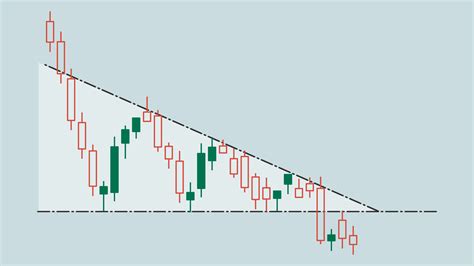
The world of cryptocurrency trade has become increasingly popular in recent years, many new traders that enter the market every day. Although some traders are able to make important benefits, others have difficulty being afraid of their lack of knowledge and experience. A key area where traders can get an advantage is to use trading signals for commercial success.
What are the trading signals?
The trading signals refer to any type of indicator or signal that provides a market market management based on the technical analysis of graphics and models. These signals can be obtained from various sources, including indicators such as mobile media, relative force index (RSI), bollinger stripes and more advanced techniques such as motorcycle indicators.
Why use trading signals?
Commercial signals offer several advantages compared to traditional methods:
* Reduced risk
: using trading signals, it is possible to reduce the risk of losses due to incorrect transactions. When a signal indicates that a certain trend of the market is about to change direction, it is easier to adjust the trading strategy and avoid running too many risks.
* Increased profit potential : trading signals can also help you make more informed decisions. Following a well -consolidated signal, you will be able to identify potential purchase or sale opportunities with greater precision than otherwise you may.
* Improvement of the discipline : the use of commercial signals requires a clear discipline and strategy. When you follow a signal, it is more likely to stick to your plan and avoid impulsive decisions.
How to use the trading signals for the success of trading at the point
Here are some steps you can follow to use the trading signals for the success of punctual trading:
1. Choose the right signal
There are many types of trading signals available, each with their own strengths and weaknesses. Some popular options include:
* Middle Mobils : a simple signal in a mobile is a good starting point for beginners.
* RSI (relative force index) : This indicator measures how much the price has excluded its average value.
* Bollinger strips : these gangs consist of two standard deviations above and under a central line.
2. Analyze your commercial history
Before being able to use trading signals effectively, it is necessary to analyze the commercial chronology. Search for models, trends and cycles on the market that you can identify with historical data. This will help you develop an understanding of the functioning of the markets and signals that are more likely to be effective.
3. Test your signals **
Once you have chosen a signal, it’s time to test its effectiveness. You can do it from:
* Backtesting : Use historical data to lower the signal.
* Simulation : simulate several trading scenarios using the signal.
4. Look and rule
After testing the signal, look at your performance in real time. If you notice that it does not generate specific signals, regulates the strategy or add further parameters to improve its precision.
5. Combine signals with other trading tools
In addition to using trading signals, it may be useful to combine them with other trading tools and techniques. For example:
* Technical analysis : Use technical indicators such as mobile media, RSI bands and Bollinger to analyze market models.
* Fundamental analysis : use economic data and news titles to identify potential purchase or sale opportunities.
Best Practice for commercial points
When using the trading signals for the success of trading to the point, keep in mind the following best practices:
* Use a combination of indicators : combines different types of signals between them to obtain a more complete image of market conditions.